THE EASIEST WAY TO IMPROVE YOUR HEALTH - PROVEN RESULTS!
“Art is coming face to face with yourself”
One of the earliest examples of art in the world is a single red handprint that was created over 40,000 years ago deep in the Altamira caves in north-western Spain. We will never know who left it or why but what we do know is that it was intentional. Art is what sets us apart from the rest of the animal kingdom - for thousands of years humans have used it to communicate, for ceremony and celebration, to record details of our existence and as a form of expression. Now there is increasing evidence to suggest that visual art also has the potential to heal us from daily stress and even past trauma. Put simply, art is good for you.
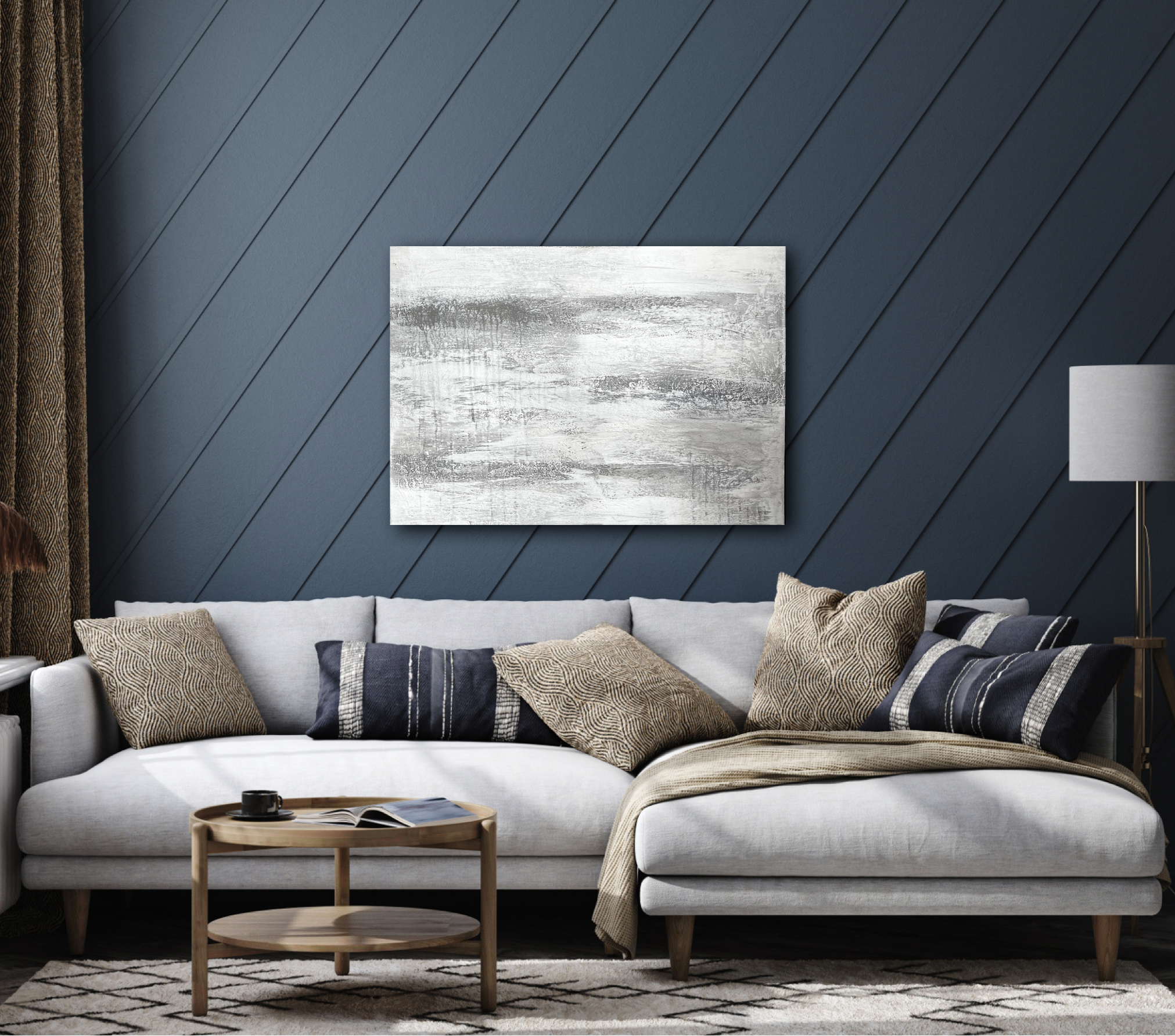
‘A Higher State’ - 50x70cm, mixed media on canvas
Mental health issues are at an all time high, with the World Health Organisation reporting in March that there has been a 25% increase in anxiety disorders worldwide. While this is largely due to the pandemic, it is a growing problem and new ways are being sought to combat it. Art therapy has been used for many years as a way to help those suffering. Chartered psychologist, Suzy Reading, explains why it’s been so successful: “There is great value in creating art for its power in helping people express and move through their emotions - it can be a profound wordless release, and tapping into creativity can also be a powerful mood booster.”
My own work as an artist is borne from a long (ongoing) healing process. I suffered from severe depression for many years and, during a particularly traumatic period, I was guided back to the one thing that had always comforted me as a child - making art.
When I was young it was a coping mechanism: drawing pencil portraits in meticulous detail was a way of maintaining an element of control and dissociating from the external chaos. Now it is my way of being present - a mental space where I can be completely in the moment. The free, intuitive abstracts in my gallery today are a sign of improved mental hygiene. Clare Barton-Harvey, an artist and mindfulness teacher, clarifies the power of creating: “For artists, engaging mindfulness in their practice can support increased sensitivity and responsiveness to their subject matter and materials, whilst supporting increased creative flow and significantly reducing the judging mind.” Allowing myself to let go and paint intuitively has liberated me from my past and given me a sense of emotional freedom.
Experimenting with mark-making can improve your well-being regardless of your artistic ability. “For those with no experience in art, mindful art making can be a very playful and supportive way of discovering one’s innate creativity (yes ‘innate’!), whilst cultivating the enriching qualities associated with mindfulness practice such as calm, resilience, perspective, and joy,” says Clare. “Use materials that you are drawn to and approach your ‘making’ time with curiosity and a sense of play and experimentation. Try doing a short mindfulness practice before you start and embed pauses into your session to connect with your heart and recollect your purpose.”

‘Ascension II’ - 50x50cm, mixed media on canvas (framed).
If you’re not keen to play with paint, there’s still good news. In the last few years, it has been proven that simply looking at art can be just as powerful as creating it and it is becoming more common for doctors to prescribe visits to art galleries instead of medication for stress-related illnesses.
“Just looking at art can also be effective because it trains our mindfulness, curiosity and appreciation muscles,” affirms Suzy. “Art has the power to lift the mood, to assist people in processing and digesting their emotions, to transport people, to help them feel part of something bigger than themselves.”
The prescriptive art scheme, which was pioneered in Canada, has since been adopted by the UK and, most recently, Belgium. The results from the 2021 trial in Brussels have yet to be released but, thanks to numerous studies, we already know that time spent contemplating art can have a profound effect. When your brain’s pleasure zones are stimulated blood flow to certain areas can increase by as much as 10% and you get an instant hit of dopamine (the ‘feel good’ chemical). Heart rate and cortisol levels are lowered which brings your nervous system in to balance. The ripple effect of releasing stress from your body improves not only your mental health but also your physical health. Inflammatory diseases, which are so common in today’s society, can be alleviated and even prevented.
Mindfully studying a piece of art (a practice known as ‘slow-looking’) takes you out of auto-pilot and increases your awareness of the present moment.
“Slow looking offers us a potentially deeper and more enriched experience of engaging with art,” says Clare. “When we are more aware of our experience in the present moment, the artwork can come alive in refreshing ways as if it has its own life, that we then participate in.” Art acts as an anchor to keep you focussed (much like a mantra) but, through a process known as embodied cognition, it can also amplify your emotions, allowing you to work through them and let them go.
Combining creativity with regular meditation allowed me to become mentally balanced and rid myself of my demons. It is my opinion that everyone should be able to access the hidden power that art holds, whether you are creative or not and I developed my unique method of visual meditation. This specific technique can be used in times of heightened stress or anxiety to bring you in to the present moment, de-excite your nervous system and alleviate physical symptoms such as a racing heartbeat, headaches and muscle tension.
Abstract art is excellent for directed mindfulness practice. It is one of few things that engages both sides of the brain simultaneously. Meditation is another and by doing both together you can supercharge the effects.
While it may not replace medication altogether as a treatment for serious conditions, art can be a great option for mild symptoms of stress. Suzy concludes, “There is a time and place for medication but there are many potent alternatives to be considered - from movement, nutrition, mindfulness, restorative practices like breathing and meditation, relaxation, and art therapy…nourishing skills and habits, coupled with therapeutic support can be very effective in addressing stress-related illnesses.”
By creating your own or simply enjoying the work of others, learning to unlock healing power of art you can add a valuable asset to your self-care toolkit.
Note: this article was first published in the October issue of Psychologies magazine